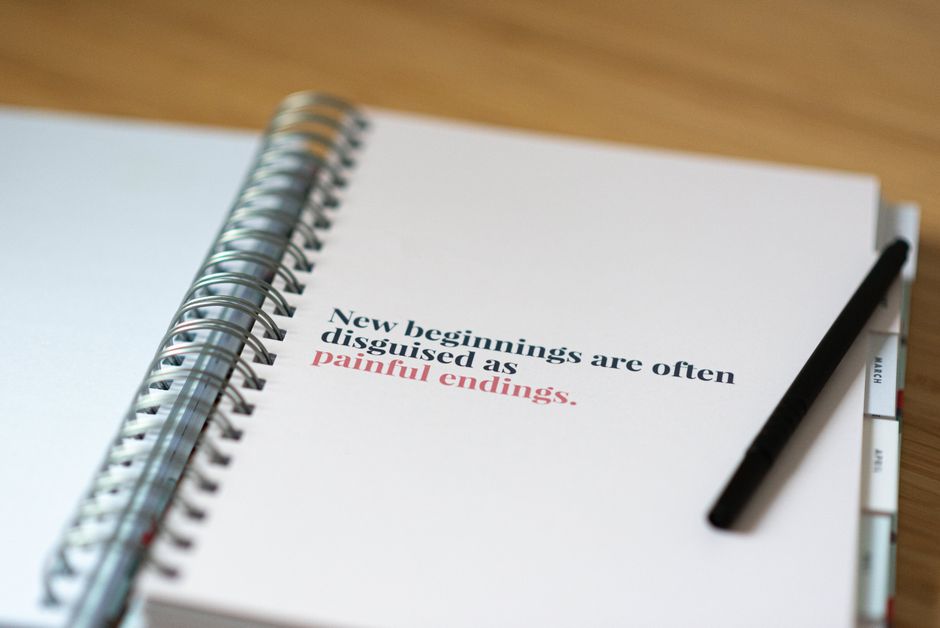
The First Step That Gets Skipped When Resetting Your Day

As the clock ticks past 5 PM, the remnants of a long workday linger in the hallway drop zone, where bags and shoes are strewn about. The remote worker glances at their planner, still closed on the table, and feels the weight of unfinished tasks pressing down. A notification buzzes from the phone, breaking the moment of focus and pulling attention away from the evening reset routine. With the day already feeling chaotic, the thought of preparing for tomorrow becomes clouded by distractions, making it easy to overlook the small but crucial steps necessary for a smooth transition.
Amidst the clutter, the worker knows that setting the alarm across the room is a simple yet effective way to start the evening reset. However, the phone's persistent notifications often divert attention from this action, causing the planner to remain unopened and the evening routine to stall. The missed check of placing the planner in a visible spot becomes a friction point, leading to a cycle where the intention to reset is overshadowed by the distractions of the day. As the evening unfolds, the challenge lies in reclaiming focus and ensuring the small habits that support a structured life are not lost in the shuffle.
A Late Start Disrupts the Routine
Waking up late can turn a well-structured evening reset into a chaotic scramble. As the remote worker stumbles into the kitchen, the clock reads 8:15 AM, and the morning routine feels more like a sprint than a calm preparation for the day. The planner, which should be opened and filled with tasks for the day ahead, remains closed on the table, a silent reminder of the structure that’s slipping away. With the coffee brewing, the worker glances at their phone, only to be met with a barrage of notifications demanding immediate attention.
This distraction derails any chance of a smooth reset. Instead of focusing on setting the alarm across the room to signal the end of the workday, the worker finds themselves scrolling through messages and emails. The phone buzzes again, pulling their attention further away from the daily reset. The planner stays untouched, and the small habit of reviewing the evening routine gets lost in the noise. As the worker rushes to grab their bag, they realize that without the simple act of placing the planner in a visible spot, the evening reset will likely slip away again, leaving them unprepared for tomorrow.
Steps That Often Get Overlooked
As the remote worker stands in the hallway drop zone, the chaos of the day lingers. The planner, typically a tool for organizing tasks, remains closed on the table, a clear sign that the evening reset is slipping away. This small oversight can snowball into a messy start for the next day, as the absence of a visible reminder means tasks are easily forgotten. The worker knows that placing the planner in a prominent spot is essential, yet it often gets overlooked amidst the distractions of notifications and lingering work thoughts.
- Set the alarm across the room to prompt movement and signal the end of the workday.
- Place the planner in a visible location to serve as a constant reminder of pending tasks.
- Take a moment to clear the hallway drop zone of clutter, ensuring a fresh start for the next day.
During this ordinary weekday moment, the worker notices how a phone notification interrupts their reset routine, pulling focus away from these critical steps. Instead of engaging with the evening routine, they find themselves distracted, scrolling through messages instead of preparing for tomorrow. Without the simple act of placing the planner in sight or setting the alarm, the evening reset becomes a hurried affair, leading to a chaotic start the next morning.
If this pattern keeps repeating, Daily Routines Real Life extends the idea without leaving the niche.
The Notification That Breaks Focus
As the remote worker stands in the hallway, the evening light casts long shadows on the cluttered drop zone. The phone buzzes on the table, a notification flashing across the screen, pulling attention away from the evening reset. Instead of focusing on the tasks ahead, the worker instinctively picks up the phone, scrolling through messages that can wait until tomorrow. This distraction not only interrupts the flow of the reset routine but also delays the essential next steps of preparing for the following day.
The planner remains closed on the table, its pages untouched, a silent testament to disorganization. Without opening it, the worker misses out on reviewing tomorrow’s priorities, which could streamline the morning routine. Each moment spent on the phone erodes the time needed to clear the hallway drop zone, leaving shoes and bags scattered, creating a chaotic environment that only adds to the stress of the next day.
To regain focus, it’s crucial to establish a small habit: set the alarm across the room before the workday ends. This simple act not only signals the end of the workday but also encourages movement away from distractions. By placing the planner in a visible spot, like next to the alarm, it becomes a reminder of what needs to be accomplished. However, if the evening routine is interrupted by notifications, the reset process clogs up, leading to a hurried and unprepared start the next morning.
Reordering the Reset for Better Focus
After a long day of remote work, the evening reset often feels like an uphill battle. The hallway drop zone is cluttered with shoes, bags, and remnants of the day, making it hard to focus on what lies ahead. The planner sits closed on the table, untouched, leaving tomorrow's priorities unaddressed. When the reset routine begins late, it quickly derails; notifications pinging from the phone become a constant distraction, pulling attention away from the necessary tasks. This chaotic environment not only adds to the stress but also sets the stage for a disorganized morning.
In contrast, a more structured evening routine can transform this experience. By prioritizing a quick five-minute planning session before bed, the worker can open the planner and jot down the top three tasks for the next day. This simple act not only clears mental space but also provides a clear direction. Placing the planner next to the alarm clock, which is set across the room, serves as a visual reminder to engage with it. When the alarm goes off, the act of getting out of bed to turn it off interrupts the cycle of distractions. This small adjustment creates a smoother transition into the evening routine, allowing for a focused reset that prepares for a successful morning.
What Changes After a Cleaner Sequence?
A slightly different version of this problem appears in Everyday Life In The, where the sequence changes but the hidden drag feels familiar.
After a long day, the remote worker stands in the hallway drop zone, surveying the clutter of shoes, bags, and scattered papers. A phone notification buzzes, but they resist the urge to check it, knowing that distractions can derail their evening reset. Instead, they focus on the planner that remains closed on the table, a silent reminder of the tasks left unaddressed. By prioritizing a quick five-minute planning session, they open the planner and jot down the top three tasks for the next day, which helps clear their mind.
With the planner now open, they place it next to the alarm clock, which is set across the room. This simple adjustment serves as a visual cue, prompting them to engage with it first thing in the morning. The act of getting out of bed to turn off the alarm disrupts the cycle of distractions that often begins with the first phone ping. As they move through their morning routine, the organization from the evening reset translates into a smoother flow; they complete tasks without interruptions, moving seamlessly from one to the next.
By refining the order of their evening routine, the worker notices a tangible difference. The morning feels less chaotic, and they approach their tasks with a clearer mindset. This small change in sequence not only enhances their focus but also builds momentum for the day ahead, making the weekday routine feel more manageable.
After a long day, the evening reset routine often stumbles at the first hurdle: the closed planner sitting on the table, overlooked in the rush to unwind. This missed check means the worker heads into the next day without a clear plan, leaving them vulnerable to distractions from the moment they wake. The phone notifications can easily steal focus, but by simply placing the planner next to the alarm clock, they create a visual reminder to engage with it during the evening reset.
As they prepare for bed, the act of opening the planner becomes a deliberate step, shifting their mindset towards the next day. This small adjustment not only sets the stage for a smoother morning but also reinforces the habit of prioritizing their routine. For tomorrow, they can ensure the planner is open and visible, ready to guide their morning and keep distractions at bay.